
How Hurricanes Are Reshaping the Greater Tampa Bay Real Estate Market

The Greater Tampa Bay area is no stranger to hurricanes, but in recent years, their impact on the real estate market has become more pronounced. As storms intensify and flooding becomes more frequent, homeowners, buyers, and developers are being forced to adapt. While the immediate effects of hurricanes are devastating, the long-term changes they are driving in the housing market may ultimately lead to a more resilient coastal region.
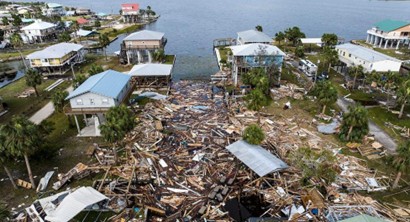
Hurricanes Helene and Milton caused significant damage in the greater Tampa Bay area. In Pinellas County alone, assessments revealed that approximately 40,910 homes were affected by both storms. Specifically, Hurricane Helene damaged 28,350 homes, with 268 completely destroyed and 16,803 sustaining significant damage. Hurricane Milton further impacted 12,560 homes, destroying 446 and causing major damage to 1,971.
In Hillsborough County, which includes Tampa, the damage was less severe. Reports indicate that while there was widespread damage, including power outages and flooding, the area was spared a direct hit, and the feared lethal storm surge did not materialize.
Overall, while exact numbers for the entire Tampa Bay region are still being assessed, it's clear that the area experienced substantial damage to homes and infrastructure due to these back-to-back hurricanes.

The 50% FEMA Rule: A Game Changer for Rebuilding
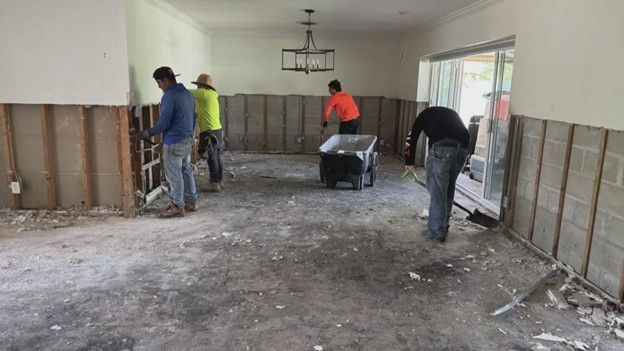
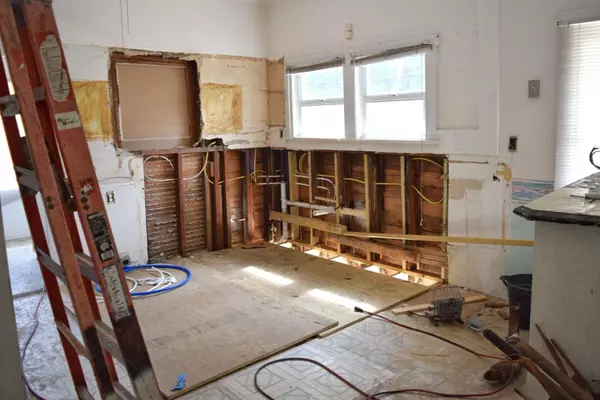
One of the biggest challenges homeowners face after hurricane-related damage is the 50% FEMA rule. This federal regulation dictates that if a home’s repair costs exceed 50% of its market value, the structure must be brought up to current floodplain management and building code standards. This often means elevating the home, reinforcing it with modern materials, or in some cases, complete demolition and rebuilding.
For many homeowners in older, low-lying homes, this rule presents a tough decision. The cost of compliance can be astronomical, often making it more practical to sell rather than rebuild. This has led to an influx of properties hitting the market, particularly in flood-prone areas, further shaking up Tampa Bay’s real estate landscape.

A Surge in New Development Homes Along Flooded Areas
Developers are keenly aware of the opportunities created by distressed properties. As homeowners sell off lots in vulnerable areas, developers are stepping in, purchasing land at lower prices, and constructing elevated homes that meet modern flood-resistant standards. This has led to an abundance of new development homes along previously flooded zones, creating an excess inventory in certain waterfront markets.
While this may seem counterintuitive, it aligns with a broader trend of building smarter, rather than abandoning desirable coastal locations. These newer homes are more resistant to future storms, with elevated foundations, hurricane-impact windows, and advanced drainage systems. However, the sheer volume of new inventory means that competition is fierce, potentially leading to price adjustments in some waterfront communities.
The Necessity of Building Up
One of the most visible changes in Tampa Bay’s housing landscape is the move toward elevated construction. New homes in flood-prone areas must be built higher off the ground to comply with updated FEMA and local building codes. This is drastically changing the architectural profile of coastal neighborhoods, with stilted and elevated homes replacing the traditional single-story bungalows that once dotted the landscape.
For buyers, this means added peace of mind, knowing their home is better protected against flooding. For builders, it means higher construction costs but also greater long-term property value. Elevated homes are becoming a selling point, appealing to buyers who want the beauty of waterfront living without the overwhelming risk.
Homeowners Relocating Inland
Not everyone is willing to go through the hassle and expense of rebuilding or elevating their home. Instead, many are choosing to move inland, away from high-risk flood zones. This has led to increased demand in non-flood-prone areas, such as Wesley Chapel, Brandon, and parts of North Tampa. These inland communities, previously overlooked by some buyers in favor of waterfront properties, are now seeing a surge in interest and rising home values as a result.
For those selling coastal properties, this shift presents challenges. Homes in flood zones may sit on the market longer unless they are priced competitively or have already been upgraded to meet new building standards. Meanwhile, inland neighborhoods are experiencing rapid development to accommodate the influx of buyers seeking safer ground.
A Stronger Coastal Future
While hurricanes have undoubtedly caused hardship, they are also forcing Tampa Bay’s real estate market to evolve. The widespread adoption of elevated construction, improved building codes, and smarter land development means that our coastal communities will be better equipped to handle future storms. In the long run, this transformation will create a more resilient housing market, with properties that are not only safer but also more valuable.
Change is never easy, and the transition to a more storm-resistant Tampa Bay will come with growing pains. However, these shifts will ultimately make our region stronger, ensuring that both residents and investors can continue to enjoy all the beauty and benefits that waterfront living has to offer—without the constant fear of devastation.
If you’re considering buying or selling in the Tampa Bay area and want expert guidance on navigating these changes, don’t hesitate to reach out. The market is shifting, but with the right strategy, you can make the most of these evolving trends.
Real Estate Advisor’s Perspective
As a real estate advisor, my recommendation to buyers and sellers is to stay ahead of these market shifts. If you are considering purchasing a home in a coastal area, ensure that it meets modern flood protection standards. Elevated homes will likely hold their value better in the long term and provide greater security. For sellers in flood-prone areas, investing in upgrades to meet current building codes can make your property more attractive and competitive in the market.
For those seeking stability, inland areas offer a safer investment with fewer risks of flood-related complications. The demand for homes in non-flood zones is increasing, making these properties a smart choice for long-term appreciation.
Ultimately, the Tampa Bay real estate market is transforming in response to hurricanes, and those who adapt will be in the best position for success. Whether you are buying, selling, or investing, understanding these changes can help you make informed decisions and capitalize on emerging opportunities in this evolving landscape.
If you’re considering buying or selling in the Tampa Bay area and want expert guidance on navigating these changes, don’t hesitate to reach out. The market is shifting, but with the right strategy, you can make the most of these evolving trends.
Categories
Recent Posts





"My job is to find and attract mastery-based agents to the office, protect the culture, and make sure everyone is happy! "